Look for an obstruction without standing under the door
From outside the door's travel path, check whether a bin, stored item or other object is blocking the opening or the sensor path. Keep children and pets away. Do not reach into moving hardware or stand beneath a partly open door to investigate.
If the door is crooked, a cable hangs loose or a spring looks damaged, skip further checks and request service. The priority is securing the door, not making it close at any cost.
Safety sensors need model-specific diagnosis
Photoelectric sensors near the lower sides of many garage openings help detect obstructions. Dirt, a blocked beam, damaged wiring or alignment problems may interfere with operation. Indicator lights and flashing codes vary by manufacturer and model.
Follow the owner's manual for any accessible checks. Do not bypass a sensor, move its mounting hardware experimentally or hold a control to override a recurring fault. Record the model and light pattern for the technician instead.
Notice which controls work
Does the wall control respond? Does the same problem happen with both the remote and keypad? Did it start after a power interruption, an impact or an object being moved near the sensors? Those details are more useful than guessing that a circuit board has failed.
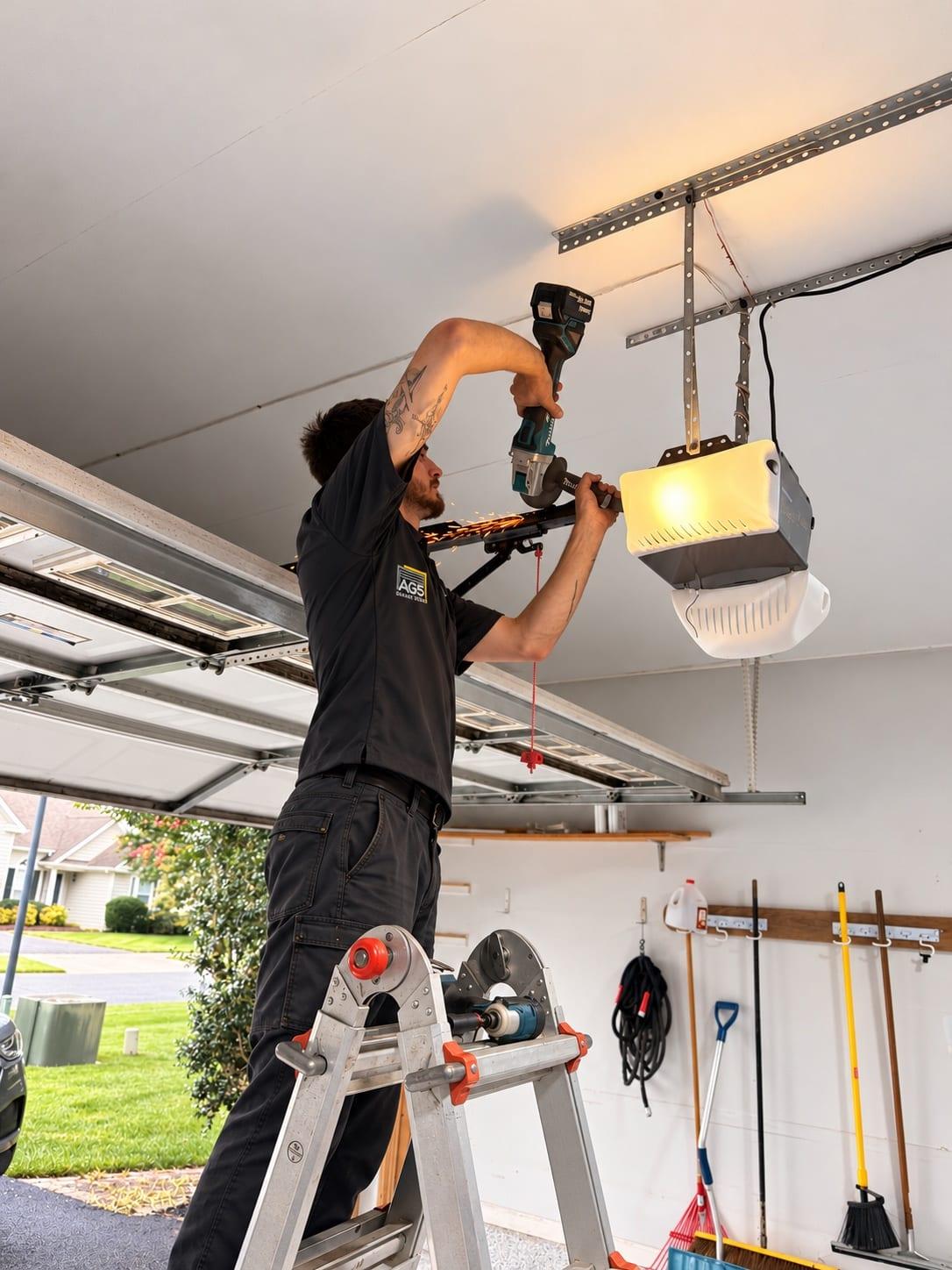
If one remote alone is unresponsive, follow its manual for battery or programming checks. If every control produces the same reversal, a broader opener and door inspection may be needed.
Mechanical resistance can look like an opener fault
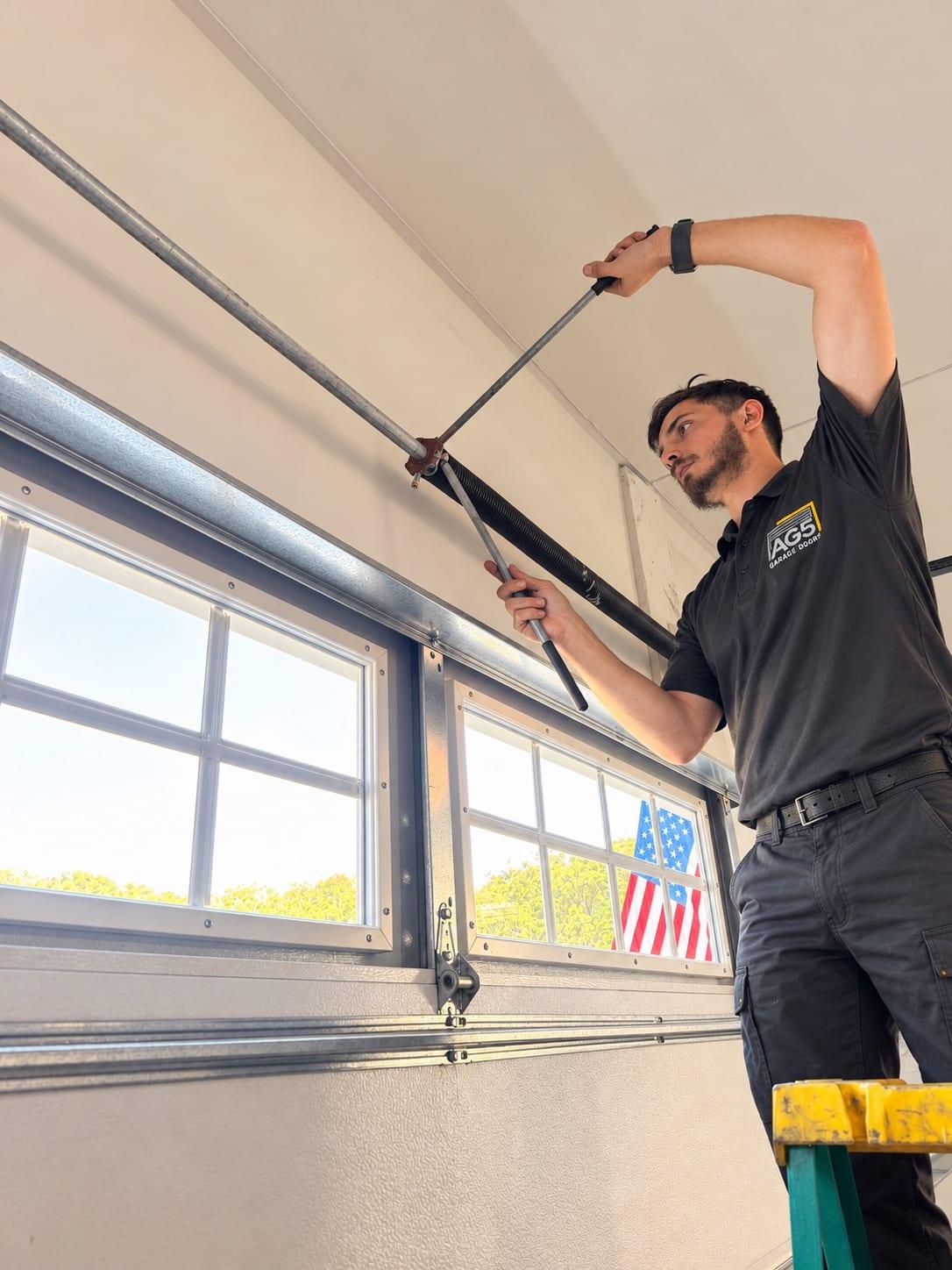
Damaged rollers, track problems, spring faults or other door hardware can interrupt travel. An opener may respond to resistance without being the original cause. Repeated operation or increasing the force setting can hide the symptom while leaving the problem in place.
Avoid adjustments to travel, force, springs or cables when the cause is unknown. Ask the technician to distinguish an electronic control fault from a mechanical door problem before recommending replacement parts.
What to share when requesting opener repair
Tell AG5 the ZIP code, door position, opener model if safely visible, which controls respond and whether lights flash. If the garage cannot be secured, mention that when you call so we understand the situation.
We accept residential repair requests in Los Angeles, Sherman Oaks, Beverly Hills, Santa Monica and Manhattan Beach, with availability confirmed directly. You do not need to diagnose the fault before contacting us.
Further reading
For general safety guidance, see DASMA garage door safety information. For opener closing issues, consult Chamberlain Group support and the manual for your exact model. These resources do not replace an inspection.